

Battery Handling
Safe Battery Handling
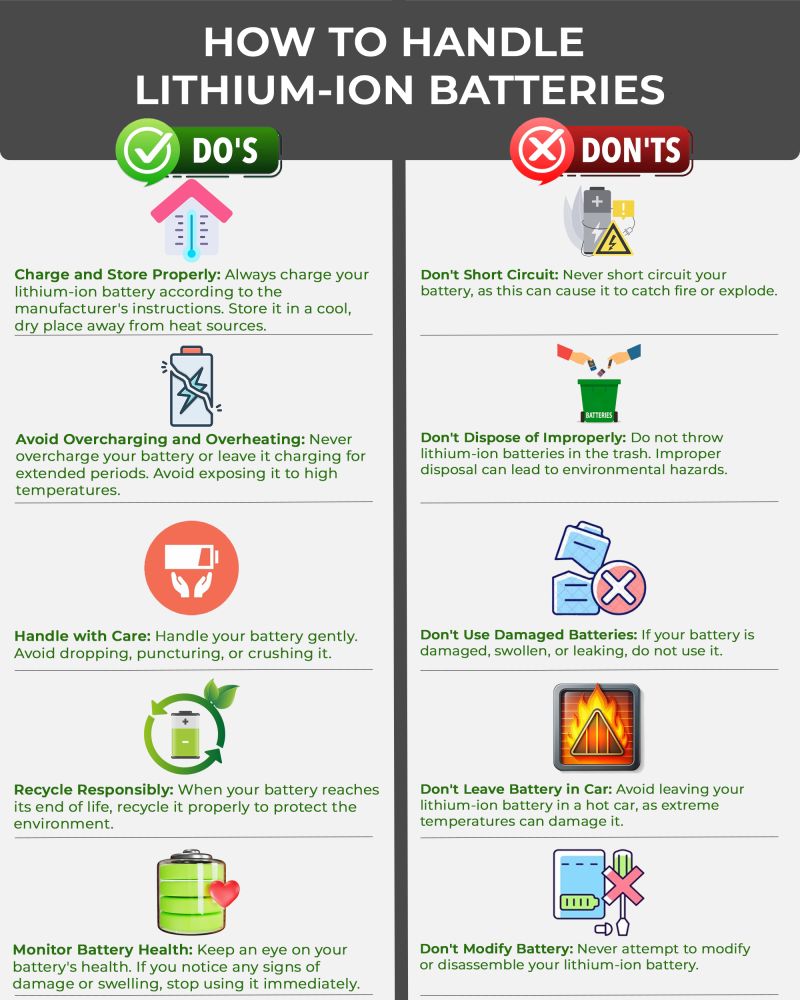
The proper and safe handling of lithium batteries
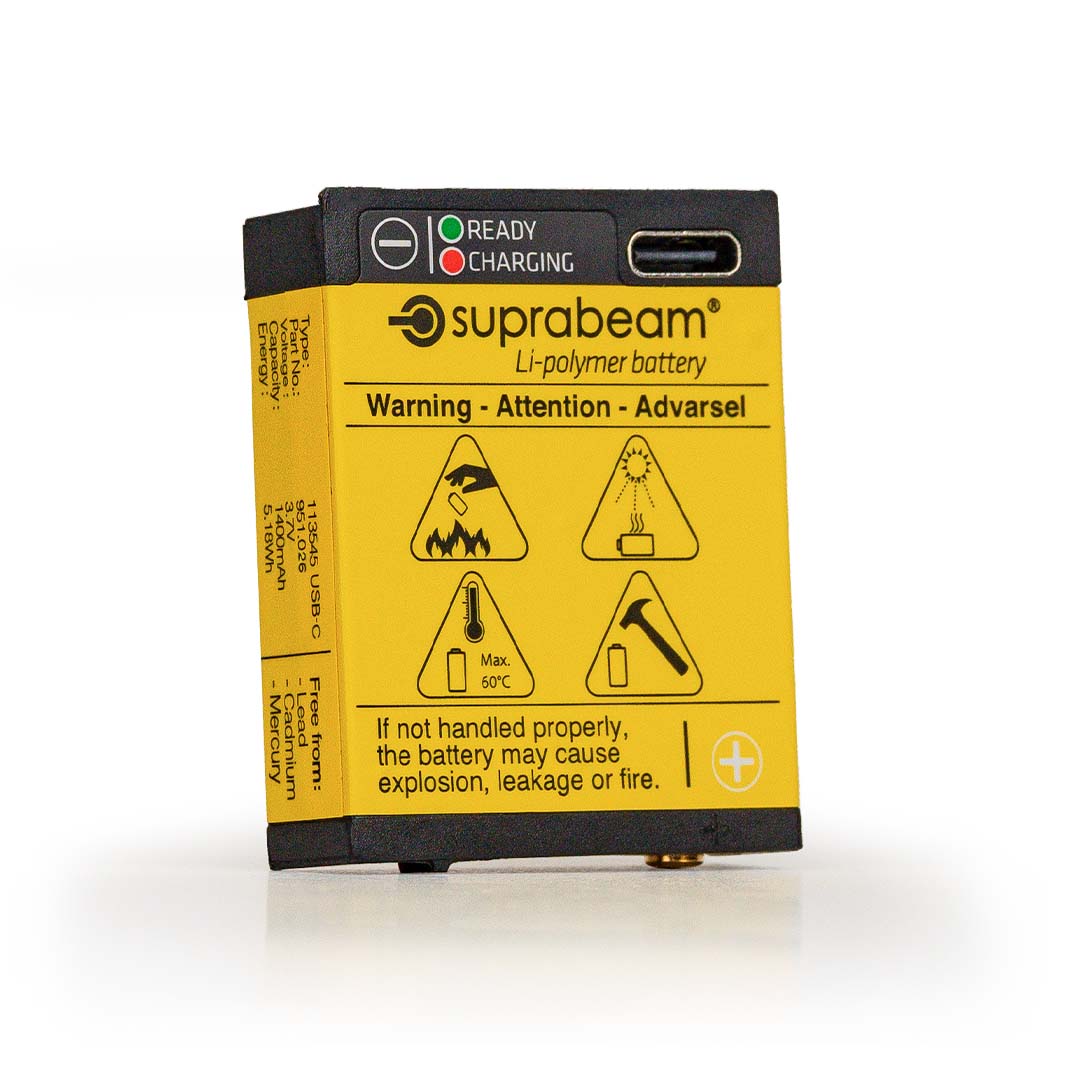
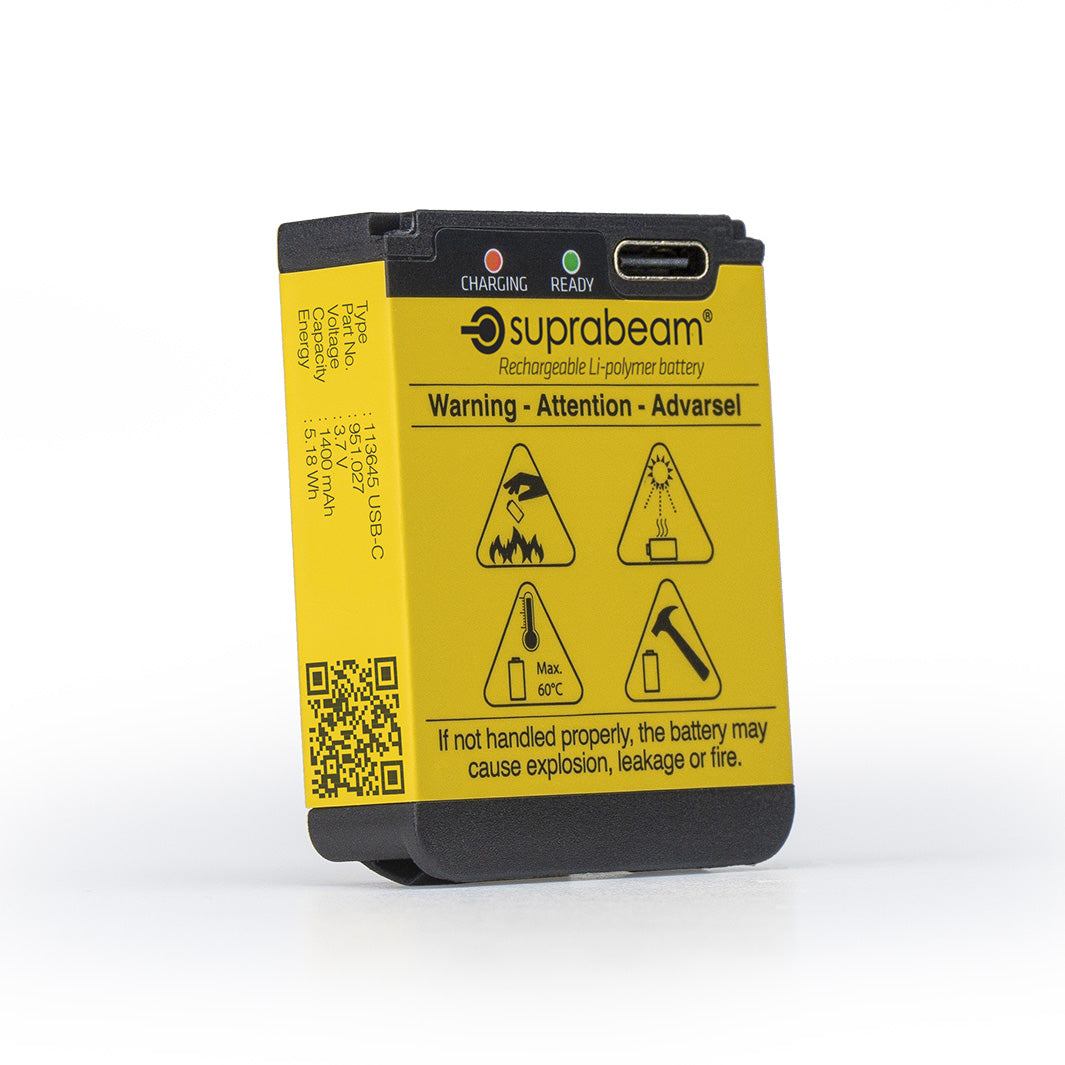
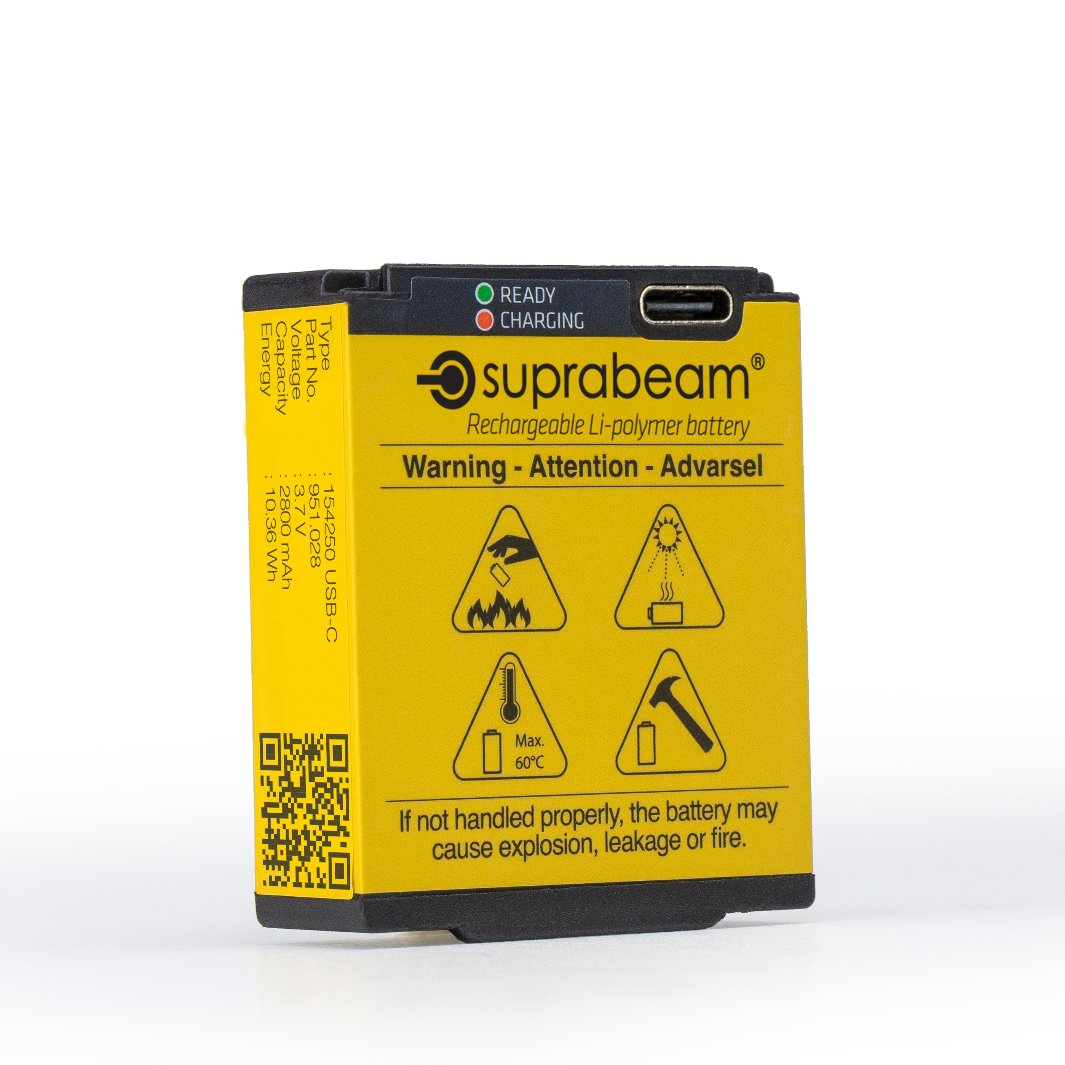
If not handled properly, the battery may cause explosion, leakage or fire
– Do not expose to temperatures above 60° C (140° F) or charge where temperatures may become high.
– Do not expose batteries to direct sunlight
– Do not disassemble or modify batteries
– Do not drive a nail into the battery or crush it in any way
– Do not apply strong impacts to the battery
– Do not get batteries wet
– If something unusual is noticed, stop using the battery
– Keep batteries out of reach of children and animals
– Do not place batteries on top of an electromagnetic range
– Do not force decayed batteries into a device
– Do not use batteries that work for an extremely short period of time
– Do not short-circuit the battery
– Do not put a battery in a microwave oven, pressure container, or other such devices
– Do not recharge batteries where heat can build up
– Remove batteries from a device that is not being used for an extended period of time
– Never charge without supervision
Safety use
Proper usage and safe handling guidelines
Download the PDF about Proper and safe handling of lithium batteries
- Overheating, explosion or fire can occur if batteries are left in very high temperatures
- Do not disassemble, puncture, or damage the battery in any way.
- The battery cannot handle hard impacts.
- Do not throw lithium-ion secondary batteries, drop them from high places, or otherwise subject them to strong impacts. Doing so may cause overheating, explosion or fire.
- Batteries can be harmed if charged in hot environments
- Do not place combustible materials on top of or over a lithium-ion secondary battery when recharging or discharging. Doing so may result in overheating, explosion or fire.