
Battery Types
The power source determines the performance.
Batteries and rechargeable batteries are among the most important components of any flashlight or headlamp. They have a significant impact on how much light a lamp can produce and how long it can maintain that performance.
However, not all power sources are the same. Different battery technologies offer distinct advantages in terms of performance, capacity, lifespan, and temperature resistance.
Learn about the different types of batteries and what to consider when choosing the right one.
How do batteries work?
A simplified walkthrough of how a battery works
Batteries power many things used in our daily life, and they vary in size and composition depending on what they power. A TV remote is powered by a single AA battery, while an electric car is powered by a huge connection of lithium batteries. But even though they are different battery types, the basics are the same.
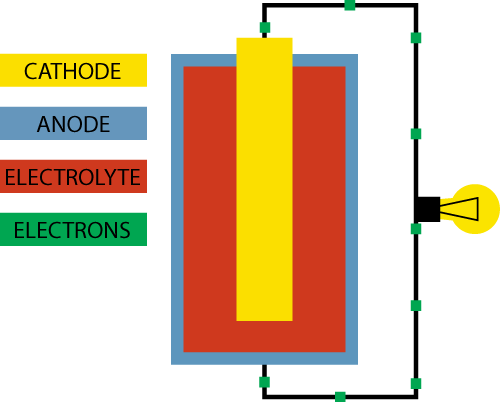
A battery basically consists of three elements:
- A positive electrode (+) which is called the anode. This is what you see as a “+” sign on the battery.
- A negative electrode (-) which is called the cathode. This is what you see as a “–“ sign on the battery.
- Electrolyte which separates the cathode and the anode
The goal for the battery is to deliver electricity, which is an energy produced by the flow of electrons. So how does the battery produce a flow of electrons?
Inside the battery chemical reactions are going on. Both the anode and the cathode react with the electrolyte, which separates the two. In the chemical reaction between the anode and the electrolyte electrons are created, and they will accumulate at the anode.
Since electrons naturally repel each other they will look for a way to escape to an environment with less electrons, and luckily the chemical reaction between the cathode and the electrolyte enables the cathode to accept electrons.
However, the only way for the electrons to travel from the anode to the cathode is if we create a path between the two. This could be by connecting the positive and the negative ends of the battery with a wire. In this circuit we can add a device, like a lightbulb, and the flow of electrons from the anode to the cathode will power the lightbulb. This is actually how a very, very basic flashlight works.
As the battery is being used the chemistry inside the battery changes and the resistance becomes greater until the flow of electrons completely stops. This is how a battery runs out of power.
With a rechargeable battery on the other hand, the whole process can go backwards with the addition of an external electricity source.
What happens is that the positive ions go back from the electrolyte to the anode, and the electrons also travels back from the cathode to the anode. This process primes the battery to do it all over again, or in other words; it is recharged.
Alkaline
The most common single used battery type
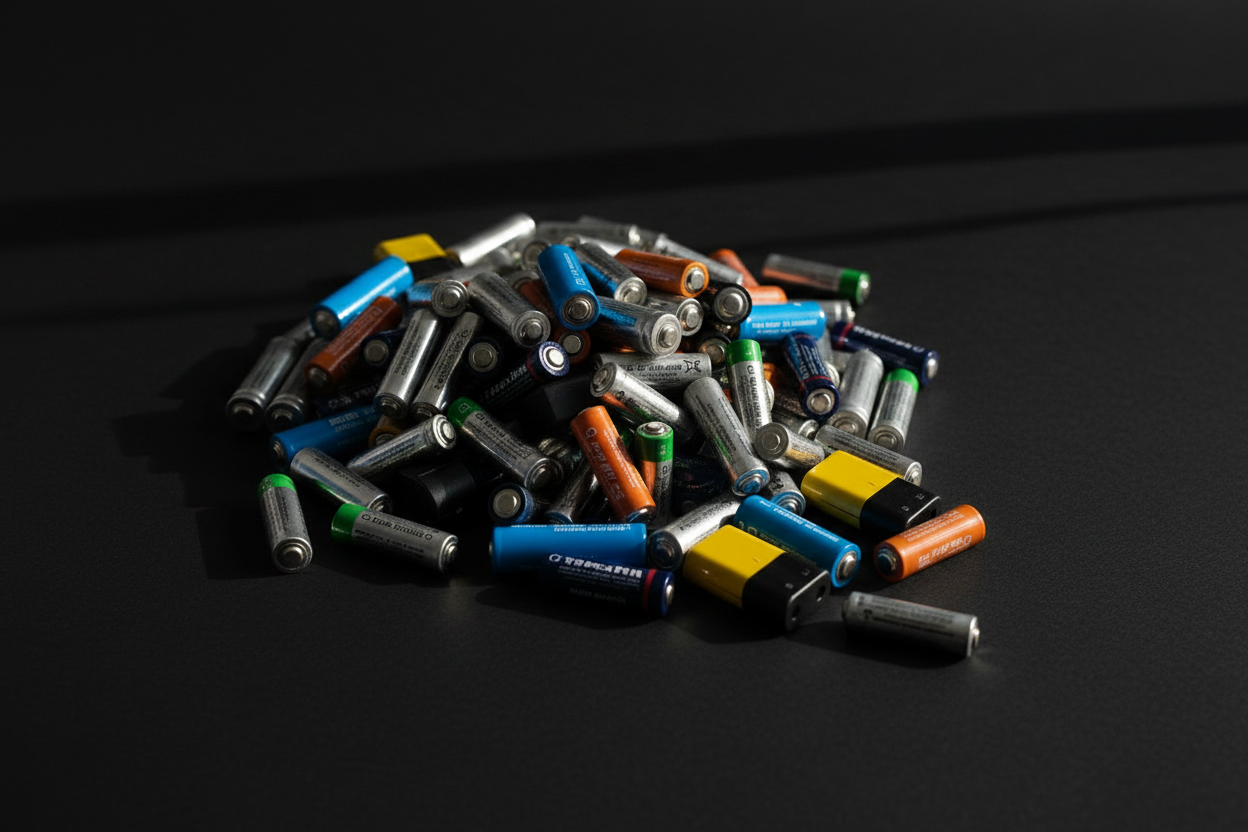
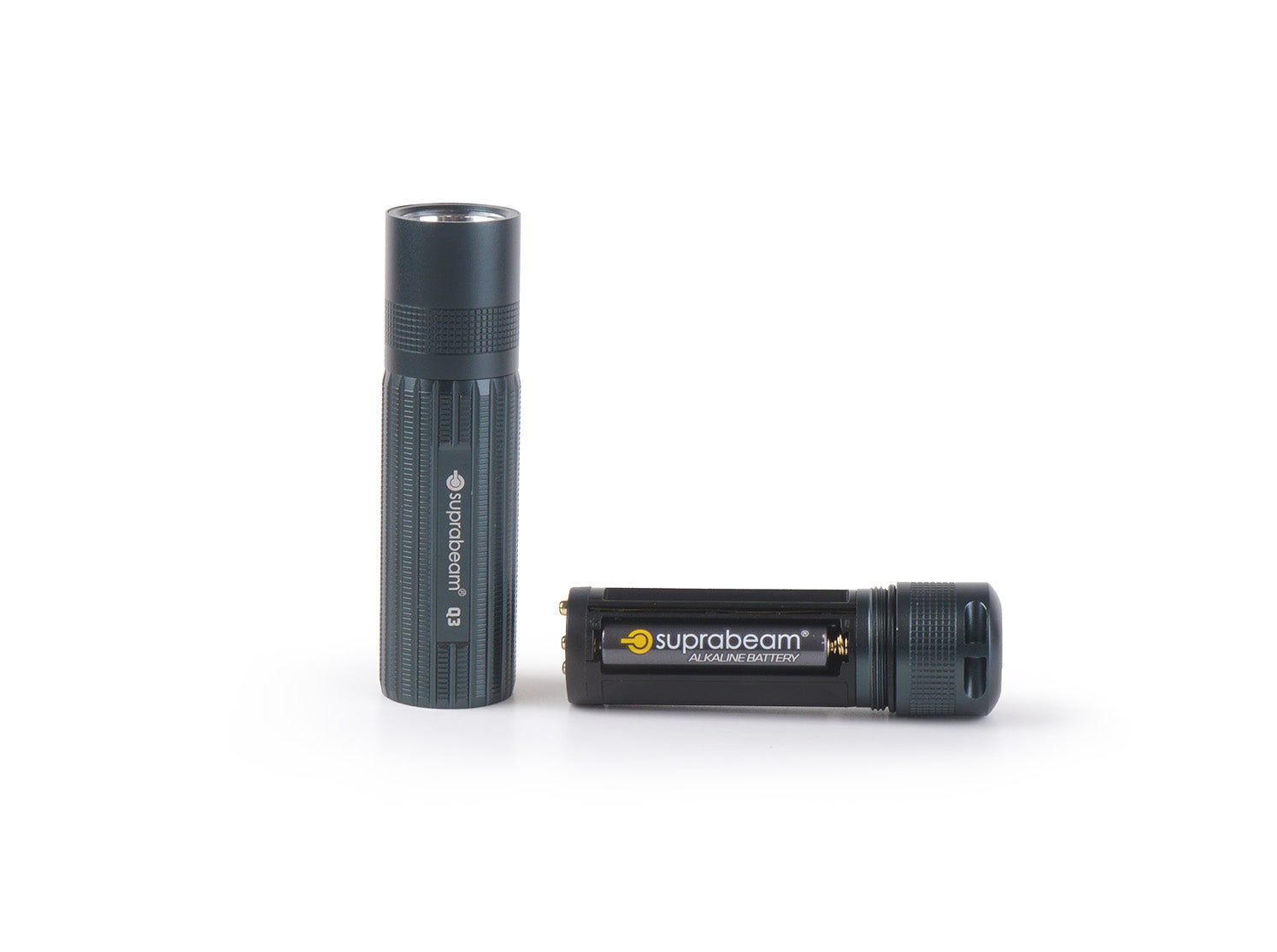
Alkaline batteries get their name from the alkaline solution used as the electrolyte, and are one of the most commonly used disposable batteries on the market. The alkaline battery is still widely used in the flashlight industry even though rechargeable lithium batteries quickly are taking over. The most common sizes are AAA and AA, and you can find flashlights or headlamps in our range that uses these batteries.
The main benefits of alkaline batteries are shelf life, price and availability. They can store power for a very long time and you can purchase them very cheap at any supermarket. However, alkaline batteries are not capable of delivering and maintaining a high power supply; in a flashlight this results in a limited and constantly declining lumen output.
Alkaline batteries are actually not very suitable for flashlights or headlamps, they are much better suited for devices that needs a little power over a long time, like a remote or a clock. Another disadvantage are the risks of battery leaks. Alkaline batteries are unfortunately prone to leaking when laying around, and this could potentially damage your product if stored inside it.
Pros
+ Long shelf life
+ Availability
+ Can be replaced quickly
Cons
- Prone to leaking
- Not capable of delivering a high lumen output
- High inner resistance = constantly declining lumen output
- Not environmentally friendly
NiMh
Nickel-Metal-Hydride
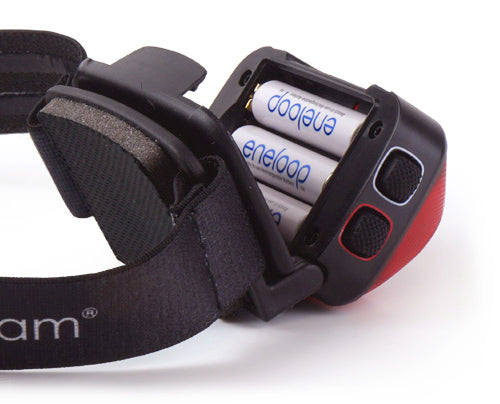
NiMH batteries are most commonly used as a rechargeable alternative to the classic alkaline battery.
Unlike alkaline batteries NiMH batteries are capable of delivering a constant voltage, which in a flashlight will result in a steady lumen output during the entire runtime. NiMh batteries have a lower inner resistance than their Alkaline counterpart, which means that they are capable of delivering more power to the LED. In the case of flashlights and headlamps this means that depending on the electronic setup in the product, you can experience a higher peak lumen output.
No Suprabeam models comes with NiMH batteries, but you can use them in all our alkaline products.
Lithium-ion Rechargeable Batteries
Powerful. Lightweight. Long-lasting.
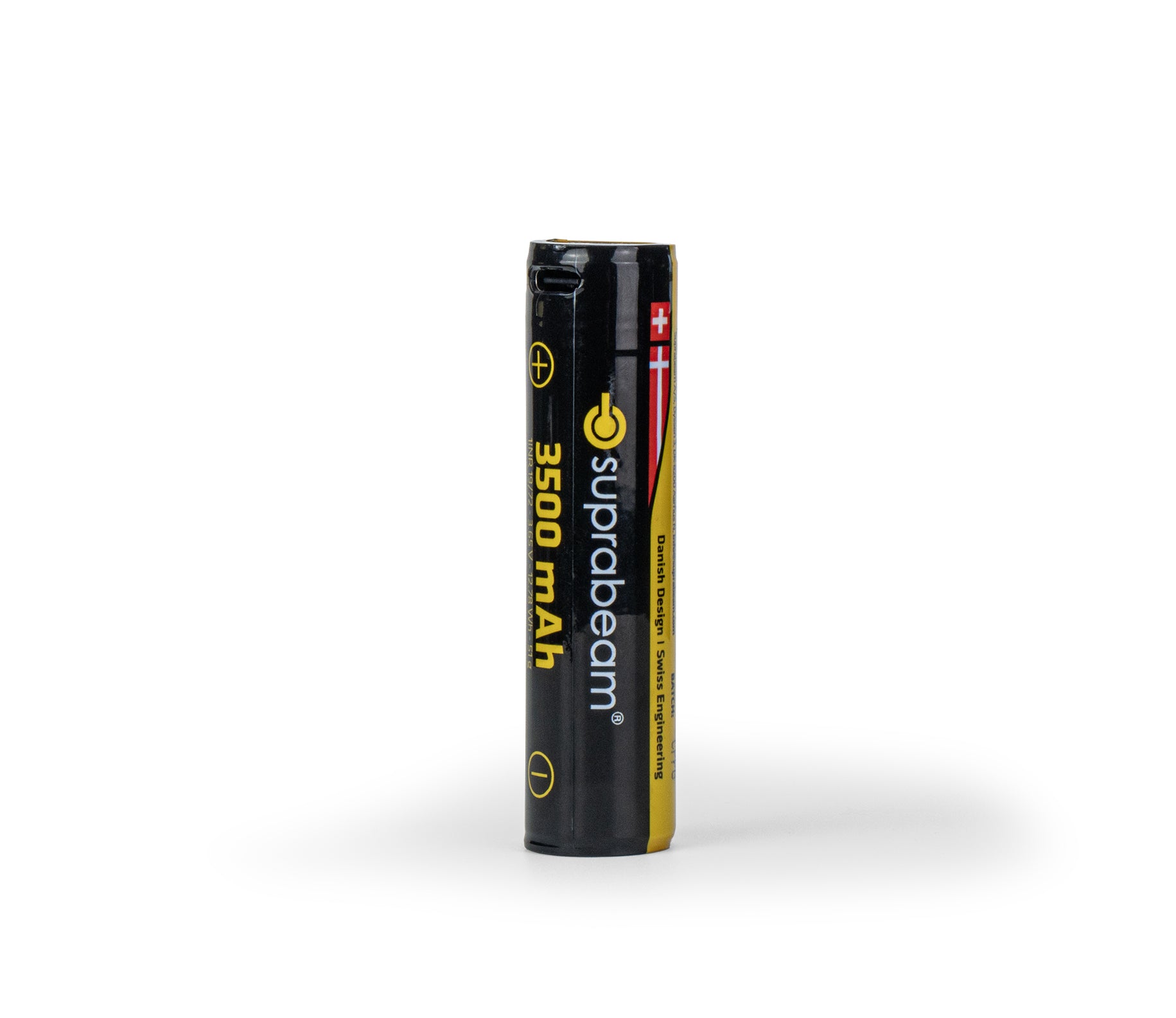
Lithium-ion rechargeable batteries are the preferred power source for high-performance flashlights and headlamps. They offer the ideal combination of high energy density, low weight, and exceptional power delivery.
Their low internal resistance enables outstanding light output and helps maintain consistent performance for longer periods of time.
Built to last: Suprabeam lithium-ion rechargeable batteries are guaranteed to retain at least 70% of their original capacity, even after 500 charging cycles.
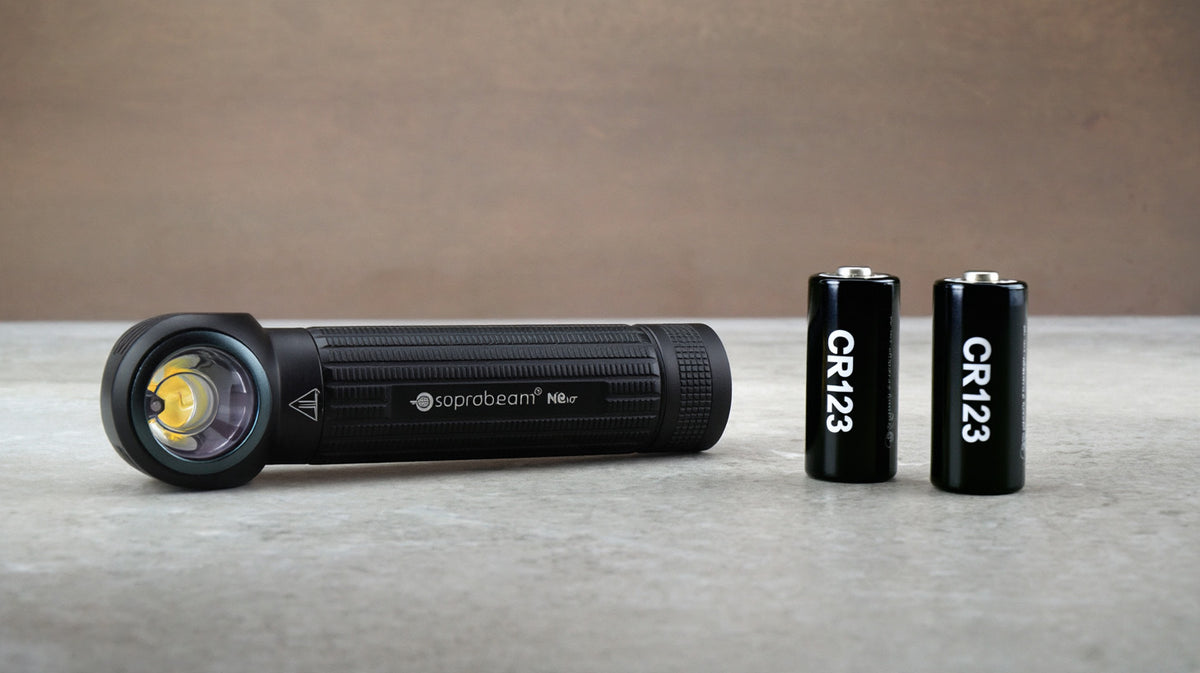
CR123
Lithium non-rechargeable
CR123 batteries are high-performance lithium primary cells designed for demanding applications requiring reliable power delivery and extended shelf life.
CR123 batteries deliver consistent voltage output throughout their discharge cycle, making them ideal for high-drain devices such as flashlights and headlamps. Their superior energy density compared to alkaline alternatives enables compact designs without sacrificing runtime. The low self-discharge rate ensures reliable performance even after extended storage periods. CR123 cells are non-rechargeable primary batteries and should not be charged.
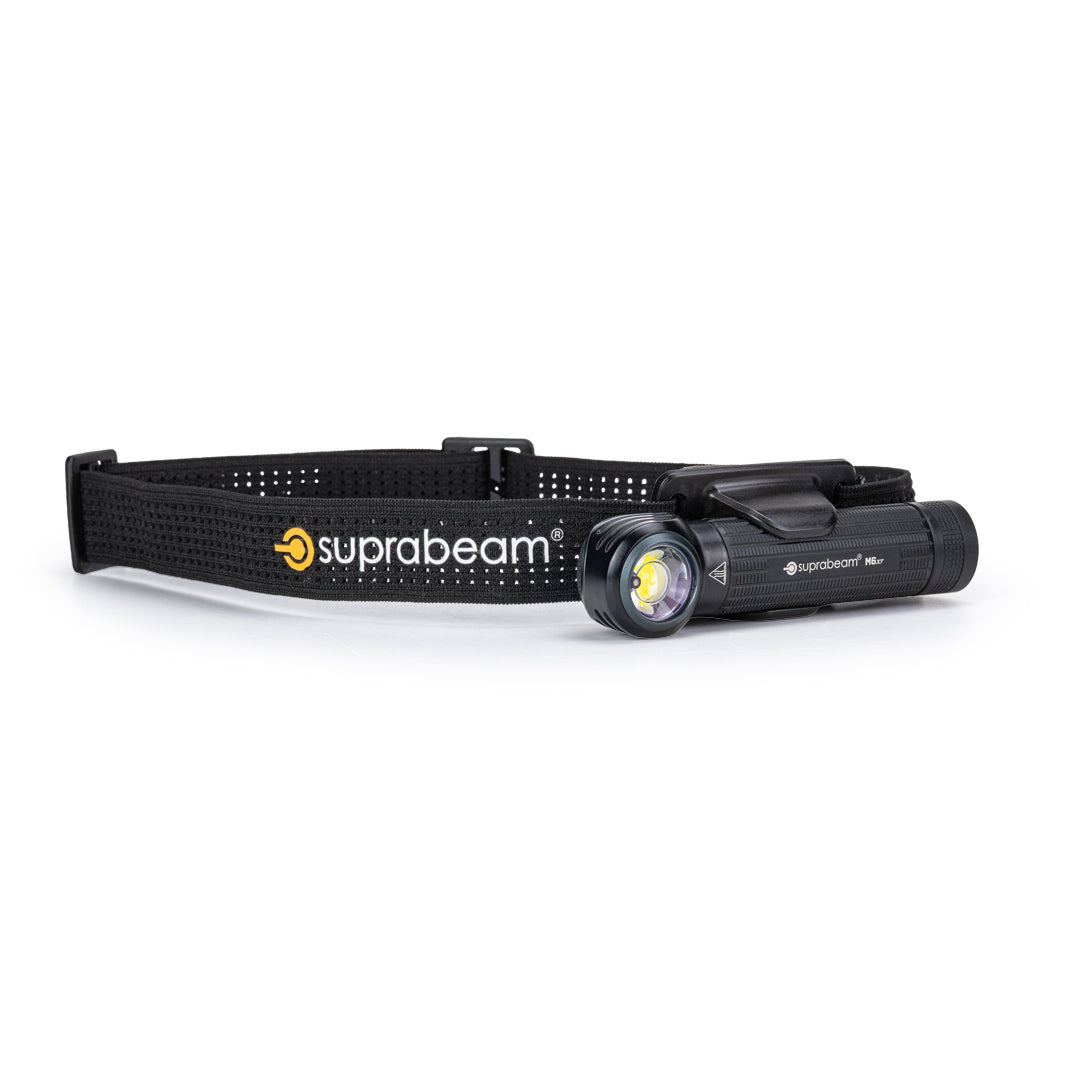
The Suprabeam M6xr is engineered to work seamlessly with CR123 batteries, Suprabeam products compatible with CR123 batteries benefit from their exceptional reliability and performance in professional and outdoor applications.
WHICH POWER SOURCE IS RIGHT FOR YOU?
Choose the right power source for maximum performance and reliability.
Rechargeable or disposable? The right choice affects everything from light output and runtime to long-term operating costs.
Explore the benefits of each power source and find the solution that best fits your needs.
So you can rely on the right amount of light whenever and wherever you need it – efficient, dependable, and cost-effective.
FIND THE POWER SOURCE THAT'S RIGHT FOR YOU
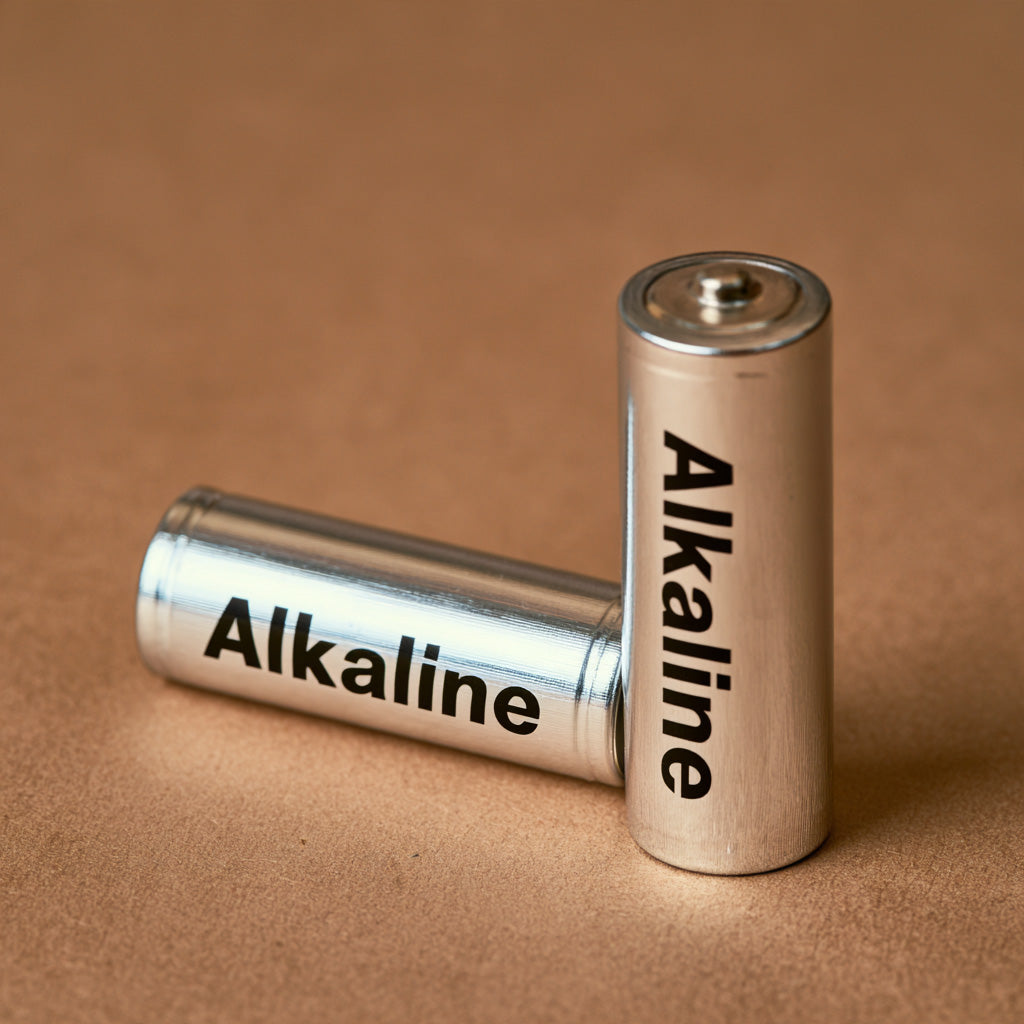
Occasional Use (Alkaline)
The cost-effective choice for occasional use.
You use your flashlight or headlamp:
- For no more than 5-10 minutes at a time
- Only a few times per week
Then alkaline batteries are a practical and economical choice.
They are particularly well suited for short, infrequent use, offering a long shelf life and wide availability. When the batteries are depleted, they can be replaced instantly with no need for recharging.
Ideal for users who rely on their light only occasionally but want it ready whenever they need it.
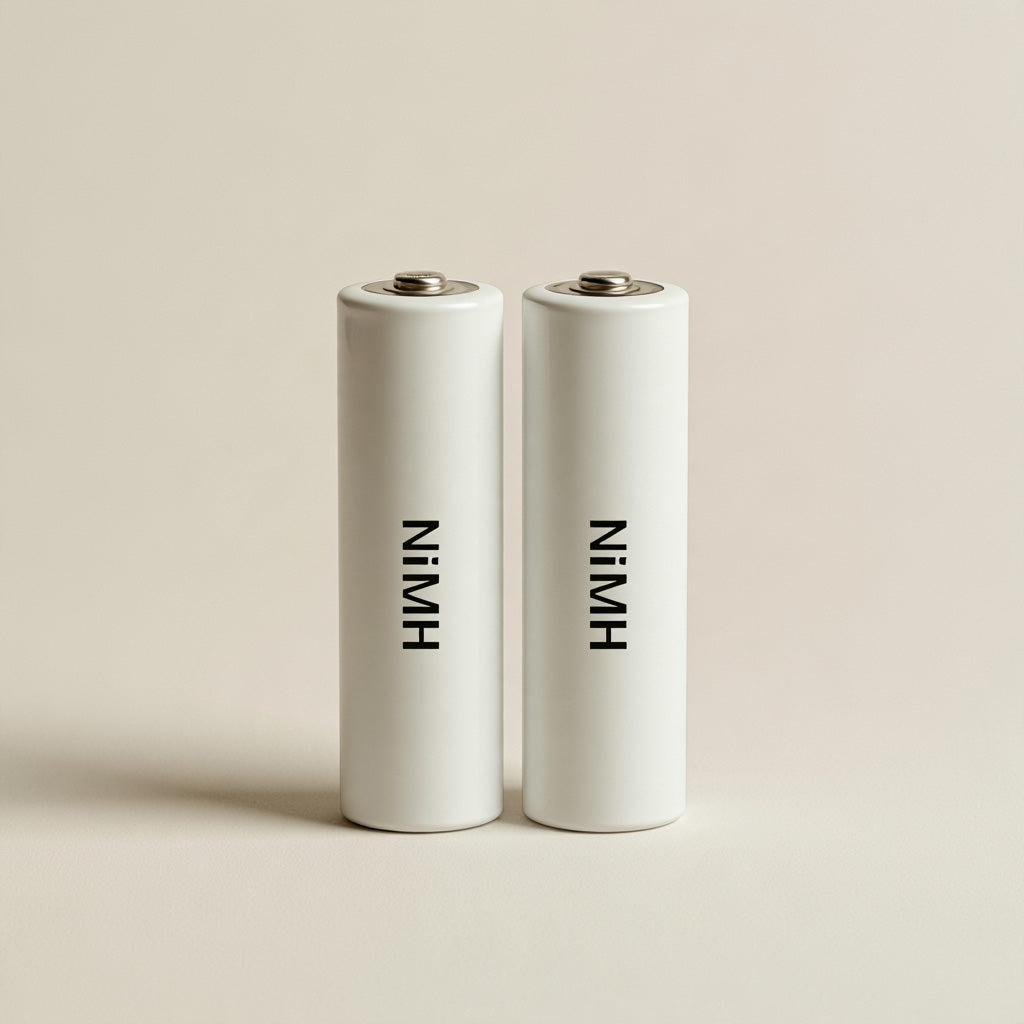
Regular use (NiMh)
More runtime. Lower costs. Less battery waste.
You use your flashlight or headlamp:
- For 5-30 minutes or longer per use
- On a regular basis
Then rechargeable NiMH batteries are the economical and environmentally responsible choice.
They provide reliable performance and can be recharged hundreds of times. This means a single rechargeable battery can replace many disposable batteries over its lifetime, reducing both operating costs and battery waste.
Ideal for users who rely on their light regularly and want to save money while reducing waste.
Heavy use
(Lithium-ion rechargeable battery)
Maximum performance. Extended runtime. Rechargeable whenever you need it.
You use your flashlight or headlamp:
- For longer periods and often at high brightness levels
- Regularly and/or for extended durations
Then lithium-ion rechargeable batteries are the ideal choice.
With their high energy density and outstanding performance, they deliver exceptional light output and long runtimes while keeping weight to a minimum.
Because they can be recharged again and again, they also help reduce long-term operating costs and the need for disposable batteries.
Our recommendation: For extended use, keep a spare battery on hand to ensure you never run out of power when you're on the move.
Ideal for professionals and demanding users who depend on powerful, reliable light every day.
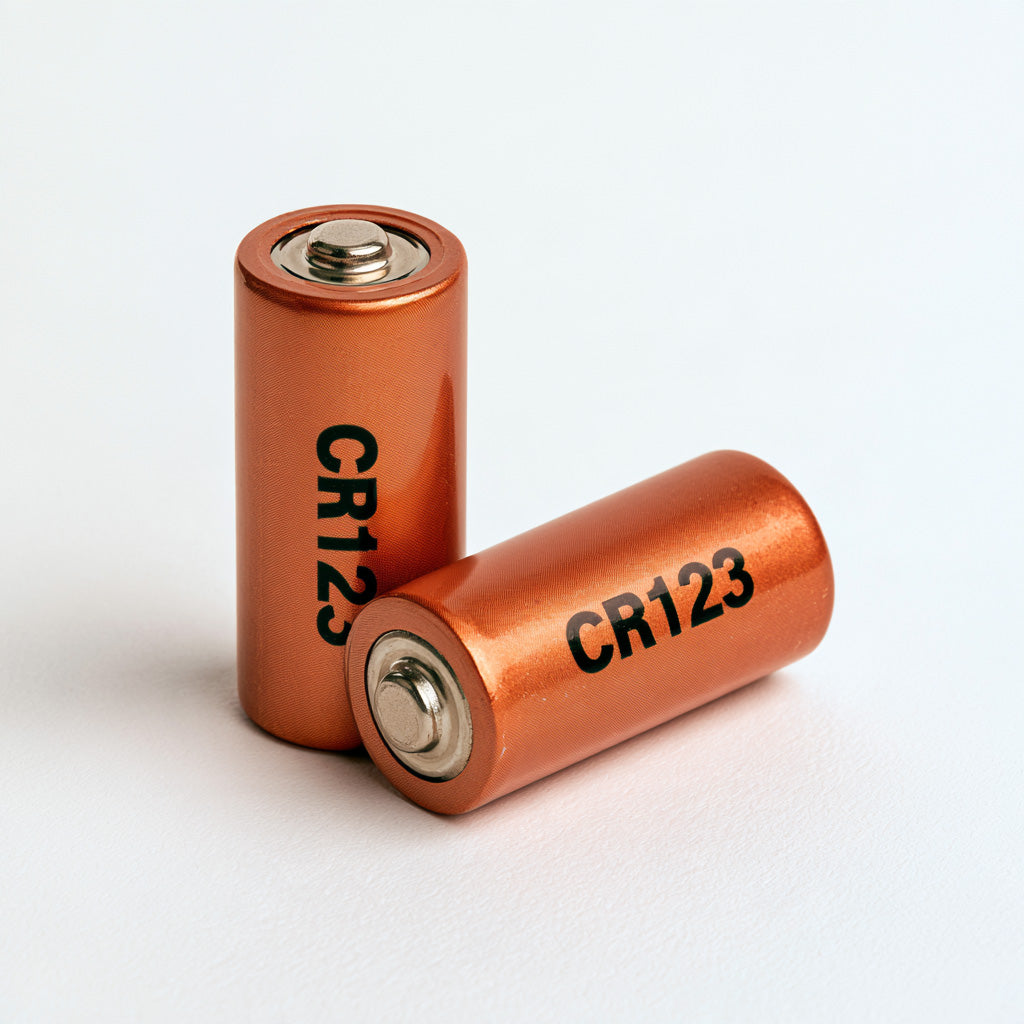
COLD WEATHER & LONG-TERM STORAGE (CR123)
Reliable power, even in extreme cold.
CR123 lithium batteries are known for their excellent cold-weather performance, dependable power output, and exceptionally long shelf life.
While alkaline batteries can lose significant performance in low temperatures, CR123 batteries continue to deliver reliable power even in freezing conditions.
Whether you're heading into the mountains, working outdoors in winter, or preparing for an expedition, they are the ideal choice when dependable lighting is critical.
Thanks to their low self-discharge rate, they are also well suited for emergency kits and lights that may remain unused for extended periods.
Ideal for outdoor adventures, professional use in cold environments, and dependable emergency lighting.