Battery Types
Batteries are a vital part of our everyday life; they are in our smartphones, laptops, watches, cars and many other things we use every day. All flashlights and headlamps use batteries, and they are actually one of the most important components of a light. The battery dictates how much power there is available and how much power that can be delivered to the LED, or in other words, how many lumen the light can pump out and for how long.
How do batteries work?
A simplified walkthrough of how a battery works
Batteries power many things used in our daily life, and they vary in size and composition depending on what they power. A TV remote is powered by a single AA battery, while an electric car is powered by a huge connection of lithium batteries. But even though they are different battery types, the basics are the same.
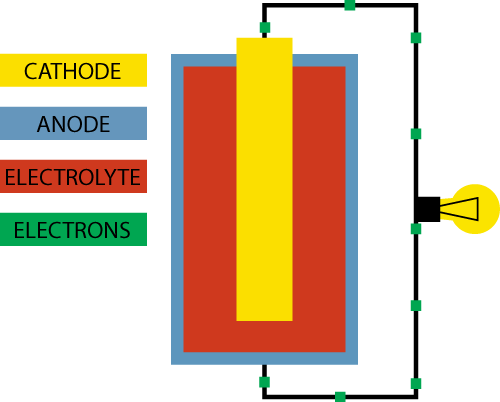
A battery basically consists of three elements:
- A positive electrode (+) which is called the anode. This is what you see as a “+” sign on the battery.
- A negative electrode (-) which is called the cathode. This is what you see as a “–“ sign on the battery.
- Electrolyte which separates the cathode and the anode
The goal for the battery is to deliver electricity, which is an energy produced by the flow of electrons. So how does the battery produce a flow of electrons?
Inside the battery chemical reactions are going on. Both the anode and the cathode react with the electrolyte, which separates the two. In the chemical reaction between the anode and the electrolyte electrons are created, and they will accumulate at the anode.
Since electrons naturally repel each other they will look for a way to escape to an environment with less electrons, and luckily the chemical reaction between the cathode and the electrolyte enables the cathode to accept electrons.
However, the only way for the electrons to travel from the anode to the cathode is if we create a path between the two. This could be by connecting the positive and the negative ends of the battery with a wire. In this circuit we can add a device, like a lightbulb, and the flow of electrons from the anode to the cathode will power the lightbulb. This is actually how a very, very basic flashlight works.
As the battery is being used the chemistry inside the battery changes and the resistance becomes greater until the flow of electrons completely stops. This is how a battery runs out of power.
With a rechargeable battery on the other hand, the whole process can go backwards with the addition of an external electricity source.
What happens is that the positive ions go back from the electrolyte to the anode, and the electrons also travels back from the cathode to the anode. This process primes the battery to do it all over again, or in other words; it is recharged.
Alkaline
The most common single used battery type
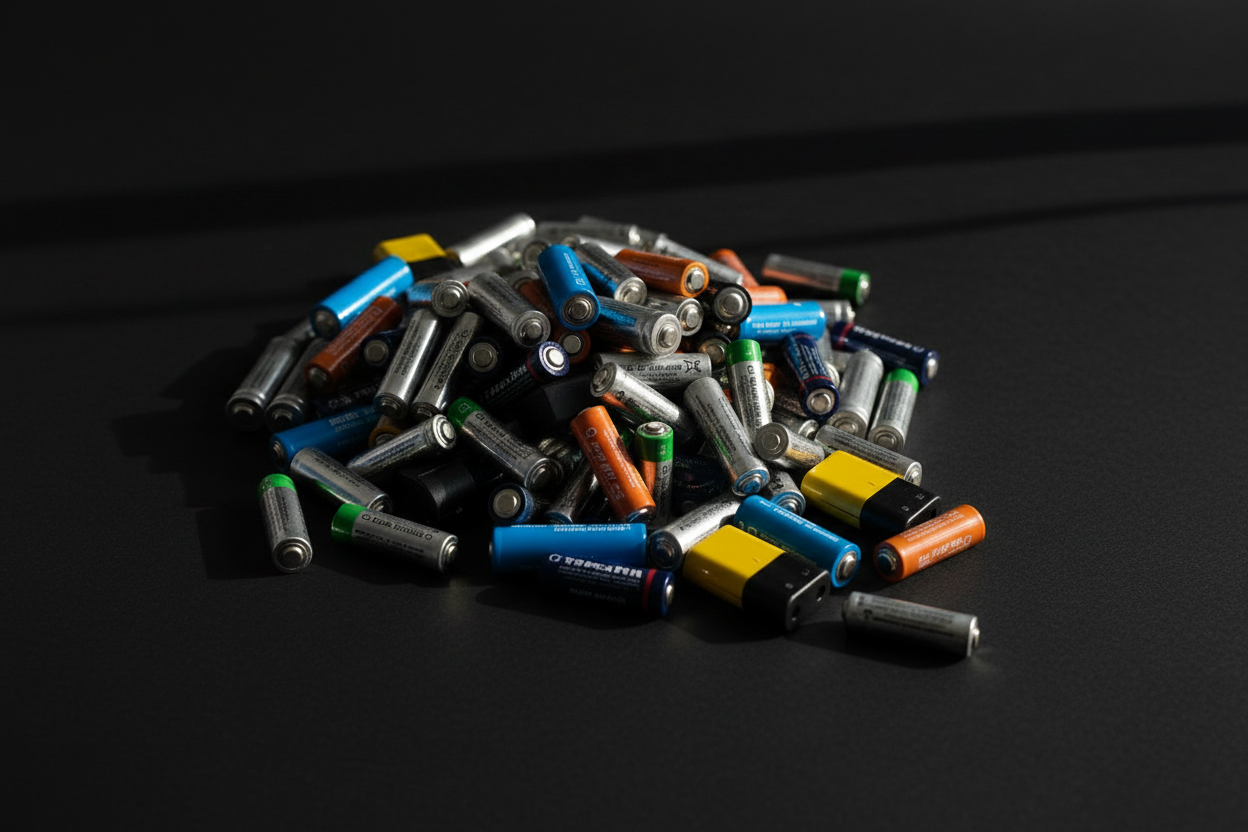
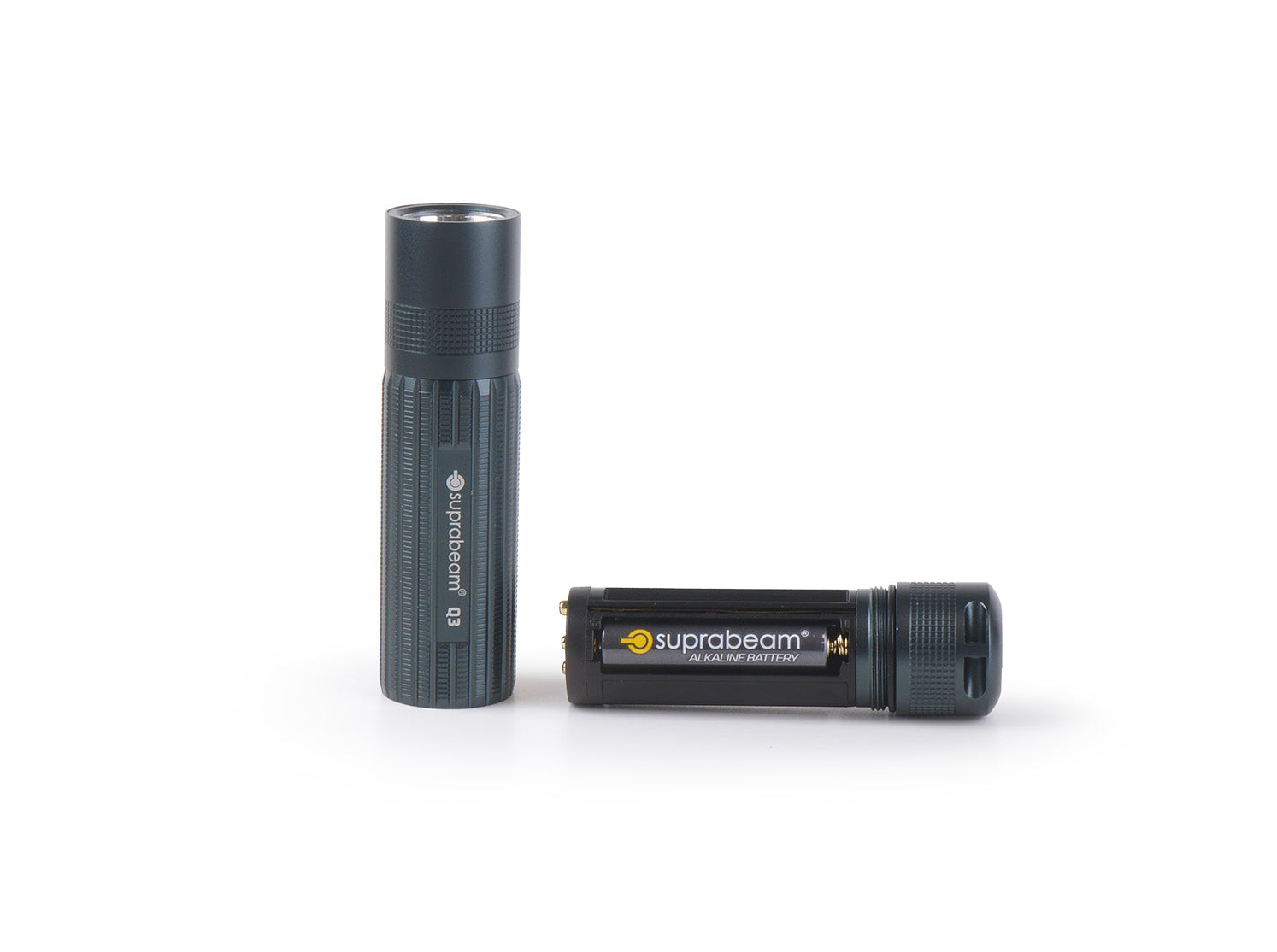
Alkaline batteries get their name from the alkaline solution used as the electrolyte, and are one of the most commonly used disposable batteries on the market. The alkaline battery is still widely used in the flashlight industry even though rechargeable lithium batteries quickly are taking over. The most common sizes are AAA and AA, and you can find flashlights or headlamps in our range that uses these batteries.
The main benefits of alkaline batteries are shelf life, price and availability. They can store power for a very long time and you can purchase them very cheap at any supermarket. However, alkaline batteries are not capable of delivering and maintaining a high power supply; in a flashlight this results in a limited and constantly declining lumen output.
Alkaline batteries are actually not very suitable for flashlights or headlamps, they are much better suited for devices that needs a little power over a long time, like a remote or a clock. Another disadvantage are the risks of battery leaks. Alkaline batteries are unfortunately prone to leaking when laying around, and this could potentially damage your product if stored inside it.
Pros
+ Long shelf life
+ Availability
+ Can be replaced quickly
Cons
- Prone to leaking
- Not capable of delivering a high lumen output
- High inner resistance = constantly declining lumen output
- Not environmentally friendly
NiMh
Nickel-Metal-Hydride
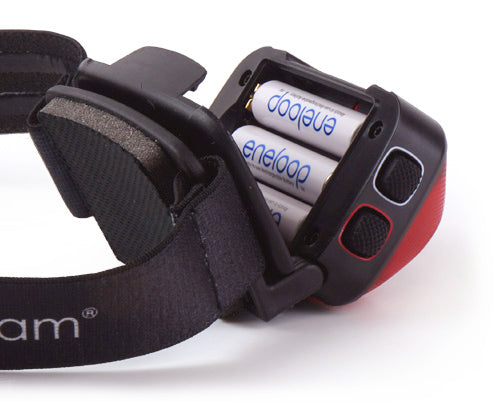
NiMH batteries are most commonly used as a rechargeable alternative to the classic alkaline battery.
Unlike alkaline batteries NiMH batteries are capable of delivering a constant voltage, which in a flashlight will result in a steady lumen output during the entire runtime. NiMh batteries have a lower inner resistance than their Alkaline counterpart, which means that they are capable of delivering more power to the LED. In the case of flashlights and headlamps this means that depending on the electronic setup in the product, you can experience a higher peak lumen output.
No Suprabeam models comes with NiMH batteries, but you can use them in all our alkaline products.
Lithium
The fastest growing battery type
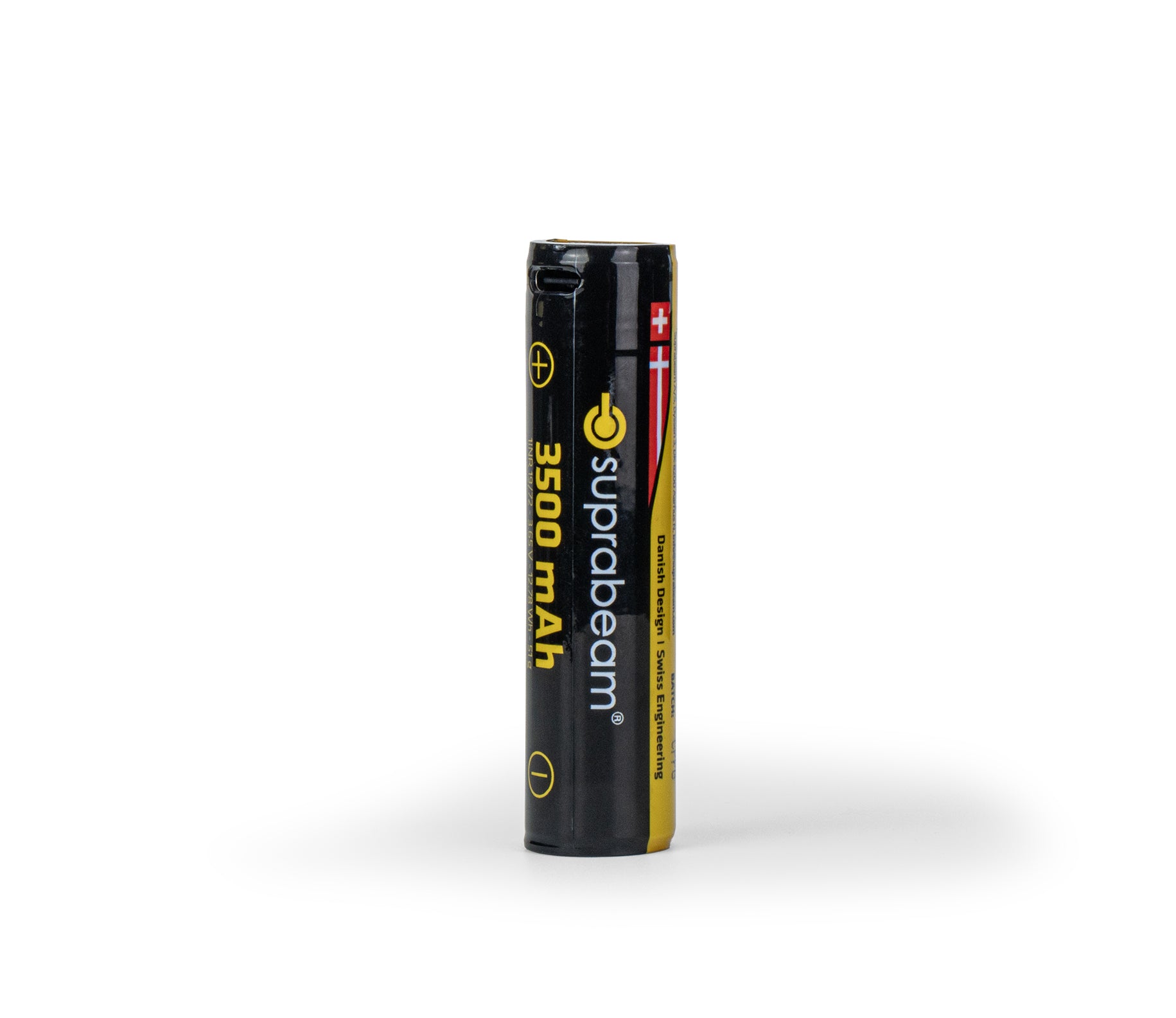
Lithium batteries are widely used, from flashlights to electric cars, and the technology is growing every day.
This battery type is a perfect match for flashlights and headlamps; with a low weight, high capacity, and low inner resistance, lithium batteries are capable of delivering and maintaining high lumen outputs. In action this means that we are able to achieve much higher lumen outputs than with the other battery types, and most importantly we are able to maintain this high lumen output.
Suprabeam lithium batteries are rated to maintain at least 70% capacity after 500 charges!
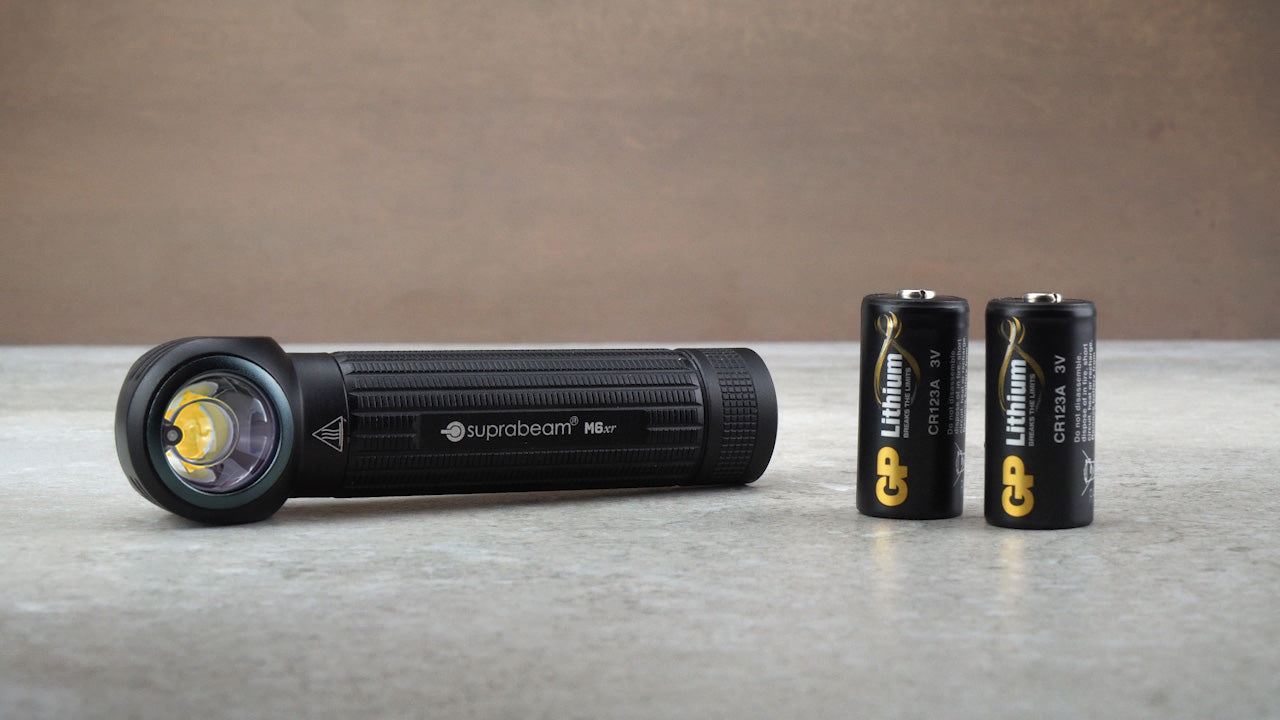
CR123
Lithium non-rechargeable
CR123 batteries are high-performance lithium primary cells designed for demanding applications requiring reliable power delivery and extended shelf life.
CR123 batteries deliver consistent voltage output throughout their discharge cycle, making them ideal for high-drain devices such as flashlights and headlamps. Their superior energy density compared to alkaline alternatives enables compact designs without sacrificing runtime. The low self-discharge rate ensures reliable performance even after extended storage periods. CR123 cells are non-rechargeable primary batteries and should not be charged.
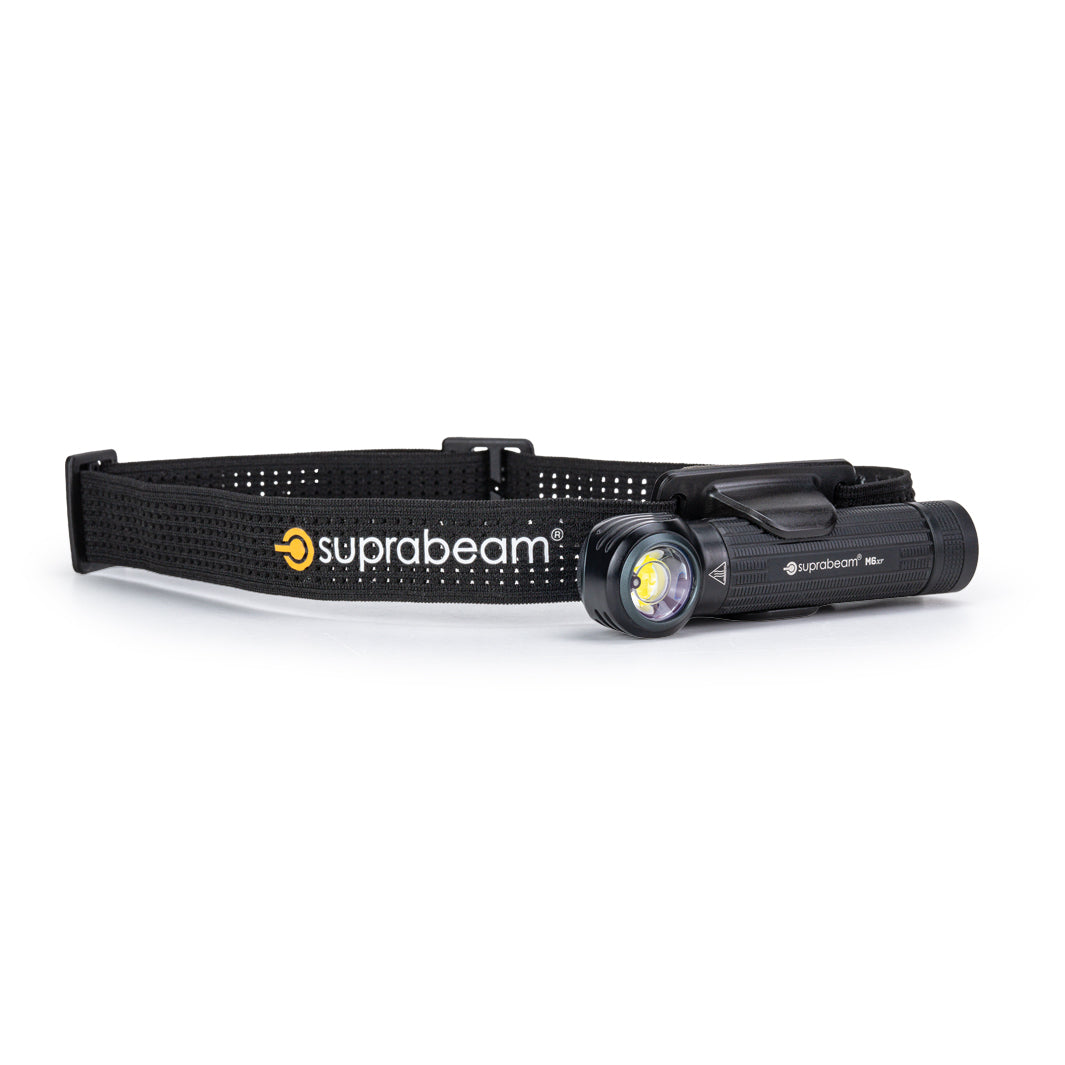
The Suprabeam M6xr is engineered to work seamlessly with CR123 batteries, Suprabeam products compatible with CR123 batteries benefit from their exceptional reliability and performance in professional and outdoor applications.
Which type of batteries do we use at Suprabeam?
Batteries are a vital part of our everyday life; they are in our smartphones, laptops, watches, cars and many other things we use every day. All flashlights and headlamps use batteries, and they are actually one of the most important components of a light. The battery dictates how much power there is available and how much power that can be delivered to the LED, or in other words, how many lumen the light can pump out and for how long.
There are many different types of batteries available, and they all have upsides and downsides. We will briefly go through the three most common batteries you will see in flashlights or headlamps. At Suprabeam we only use alkaline and lithium batteries, but NiMH batteries are still found with some other brands or used as a rechargeable alternative to alkaline batteries.
Make the right battery choice
Flexibility, Maximum power or cheapest running cost?
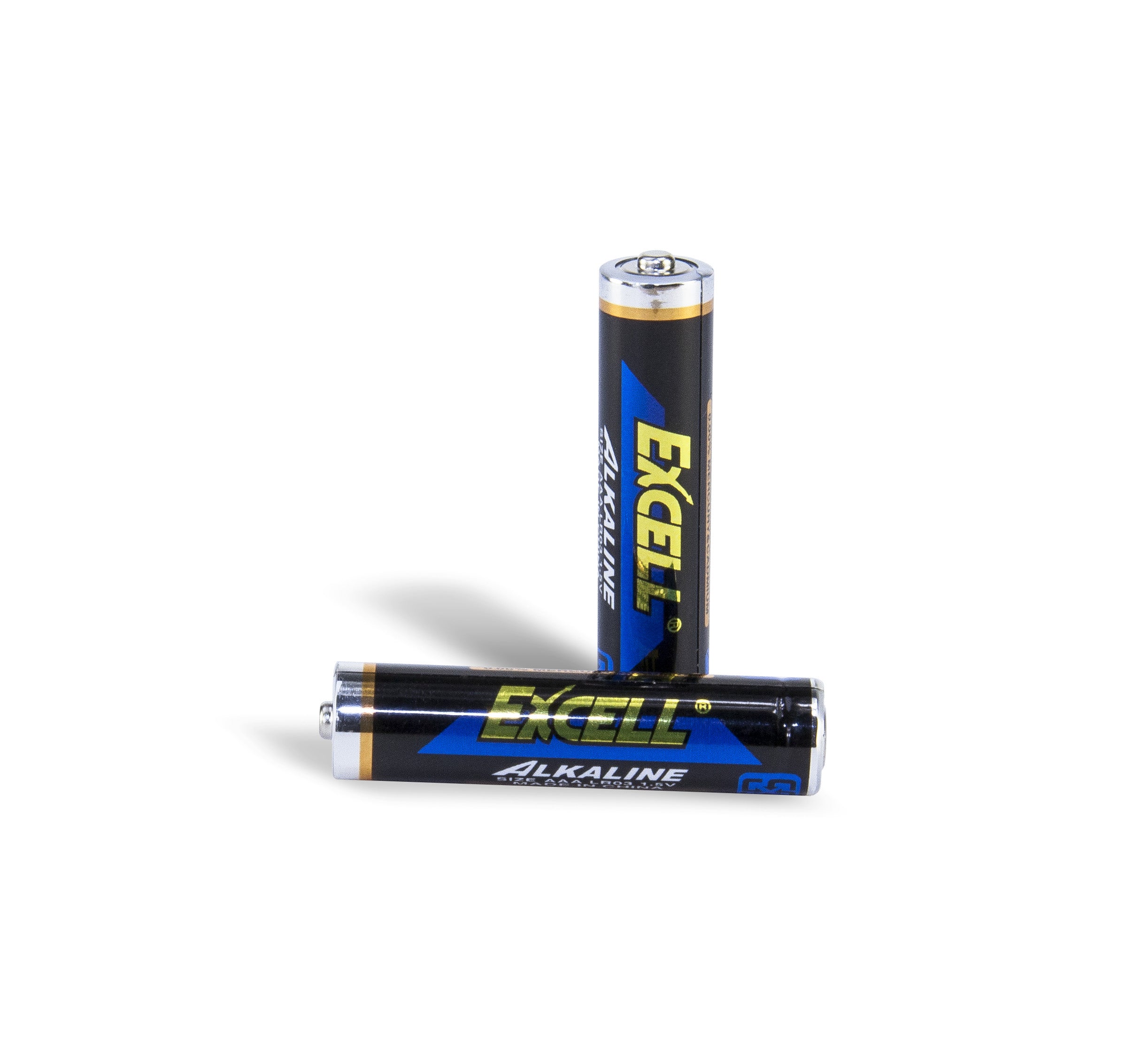
Light use (Alkaline)
Do you use your torch or headlamp:
- 5 minutes or less, at the time
- 2-3 times a week or less
Then a torch or headlamp with alkaline batteries is the best choice for you, because alkaline batteries are very good in devices that consumes power over a long period of time, and aren’t used for long durations of time. In addition, alkaline batteries has the advantage of being easy accessible, which means that you can replace the drained batteries with fresh ones instantly.
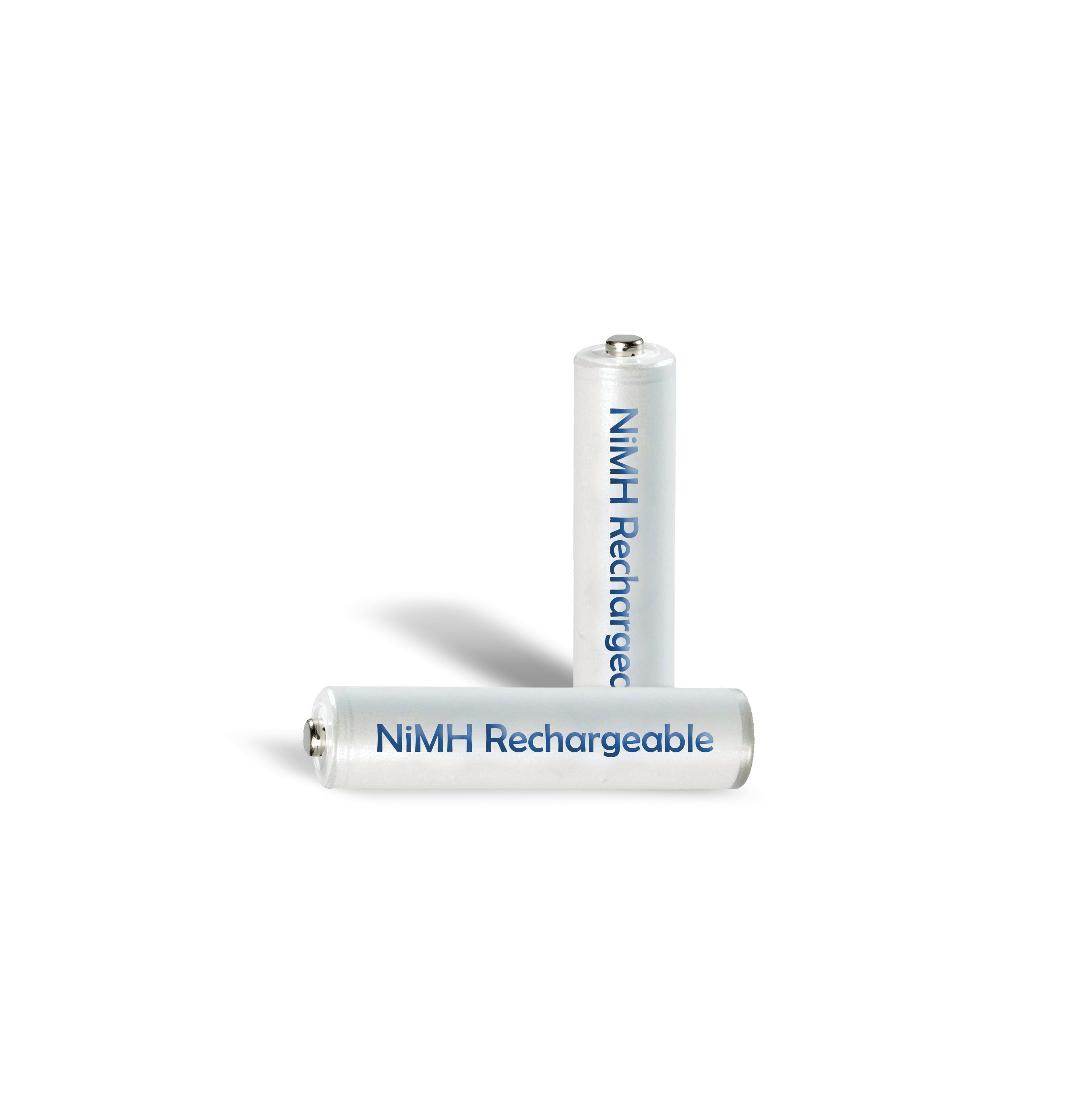
Medium use (NiMh)
If you use your torch og headlamp:
- 5-30 minutes or more at the time
- 2-3 times a week or more
If you use your headlamp or torch for long durations each time and regularly. A high quality rechargeable NiMh battery would fit you and your wallet very good. You will as a medium user soon realize that a high output torch or headlamp goes through alcaline batteries very quickly. Furthermore, a change to use high quality NiMh batteries will benefit the environment, your wallet, and you will get a bit more power out of your torch or headlamp.
Heavy use (rechargeable)
Do you use your torch or headlamp as below, you are a heavy user:
- 30 minutes or more each time
- 3 times a week or more, or for long durations
If you use your torch or headlamp as a part of your everyday life, a rechargeable Li-ion / Polymer is the right choice for you. Li-ion / Polymer batteries can pack more power than normal batteries, and can run a high output torch with a stable constant output for long periods of time. The only thing to remember when buying a Li-ion / Polymer torch or headlamp, is to have the right amount of spare batteries needed for your intended use.
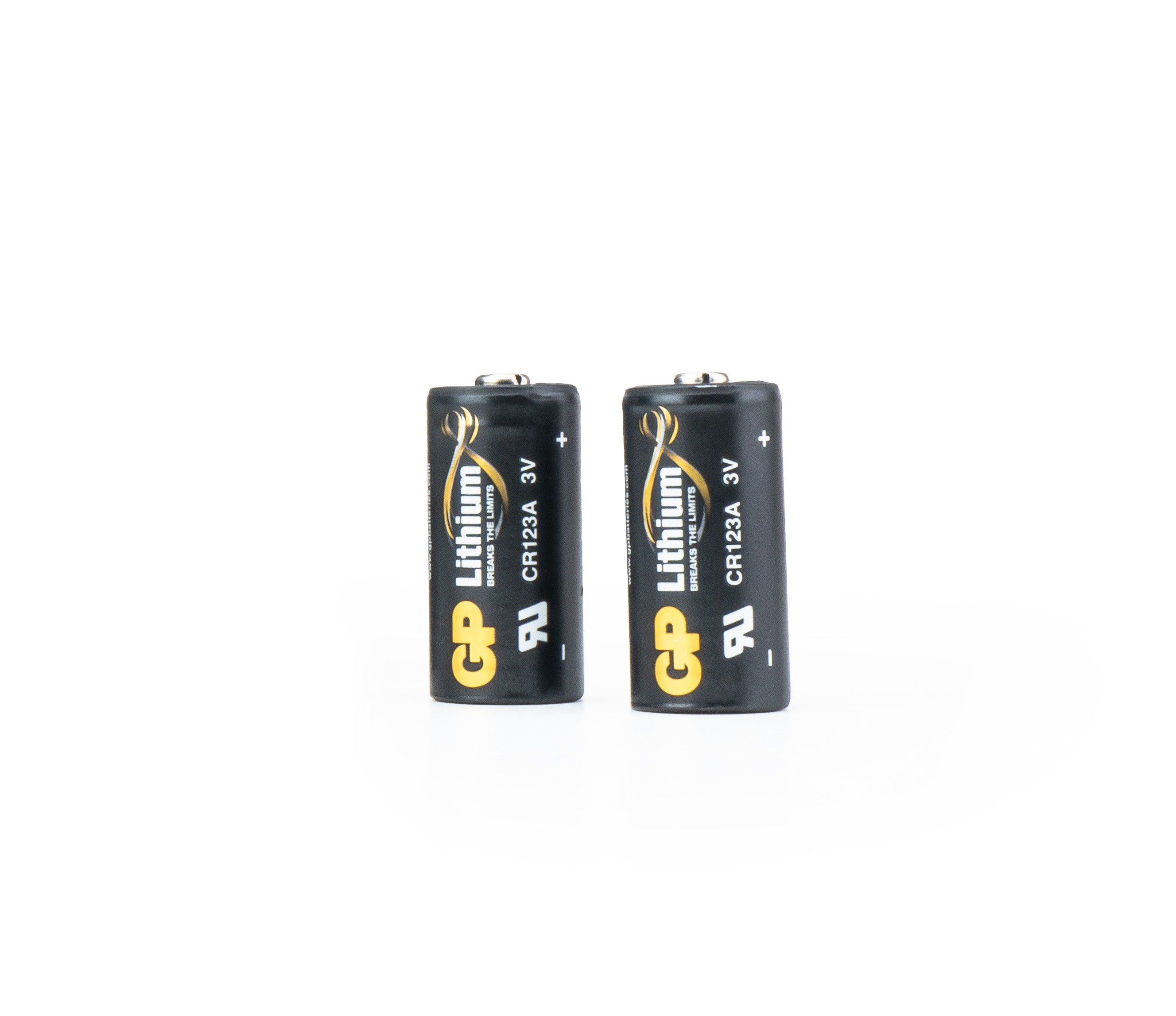
Cold environment usage
CR123 batteries excel in cold weather conditions. Unlike alkaline batteries that lose performance in freezing temperatures, CR123 batteries maintain superior performance in extreme cold environments. If you use your torch in winter conditions, mountaineering, or arctic expeditions, CR123 batteries are the optimal choice. They deliver consistent power even when temperatures drop significantly, making them ideal for cold-weather outdoor enthusiasts and professionals working in harsh climates.
When choosing between CR123 and rechargeable options, consider your usage patterns and environmental conditions. CR123 batteries offer reliability, long shelf life, and exceptional cold-weather performance, while rechargeable batteries suit heavy daily users who need maximum output and cost efficiency over time.

Safety use
Proper usage and safe handling guidelines
Download the PDF about Proper and safe handling of lithium batteries
- Overheating, explosion or fire can occur if batteries are left in very high temperatures
- Do not disassemble, puncture, or damage the battery in any way.
- The battery cannot handle hard impacts.
- Do not throw lithium-ion secondary batteries, drop them from high places, or otherwise subject them to strong impacts. Doing so may cause overheating, explosion or fire.
- Batteries can be harmed if charged in hot environments
- Do not place combustible materials on top of or over a lithium-ion secondary battery when recharging or discharging. Doing so may result in overheating, explosion or fire.
For more information about safe handling of rechargeable batteries read more.